




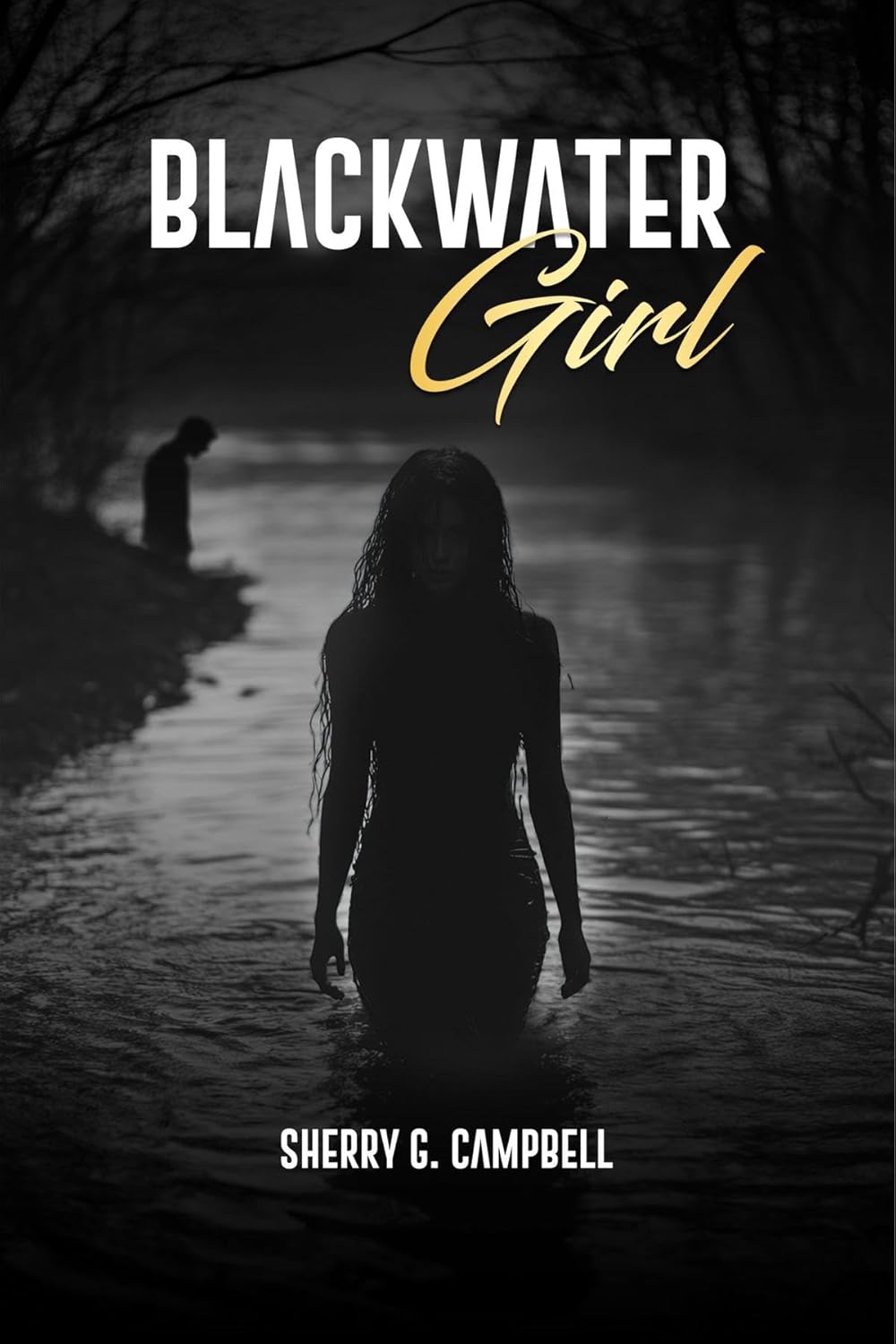
In the Appalachian hollows, where the Clinch River winds through Virginia and Tennessee, there lies a quiet resilience in the people who call it home. This land, rich with history and love, is the heart of Sherry Campbell’s Blackwater Girl. Through generations of hardship, faith, and personal growth, the characters of this novel find their roots intertwined with the land and the legacy of their ancestors.
At the center of this tale is Eugenia, a woman shaped by both her family and the land they work. Growing up in a tight-knit, spiritually grounded community, Eugenia’s journey is one of quiet strength. The story begins with her reflections on the passage of time, where every season in the Appalachian Mountains holds not just natural beauty, but a deeper significance. Eugenia is a character who, despite the challenges she faces, maintains a sense of rootedness in the traditions passed down through generations.
One of the most compelling aspects of Blackwater Girl is how the land becomes a living, breathing character. It is not merely a backdrop but a guiding force for the story’s themes of heritage and identity. The land, like the river that flows through it, is constant yet ever-changing. It’s here that Eugenia and the other characters discover who they are, drawn into a complex history that is sometimes painful but always rich with meaning. The narrative deftly explores the struggles of maintaining tradition in a modern world, where time has a way of eroding the values once held dear.
The figure of Uncle Billy stands as a powerful symbol of faith and endurance. A preacher and a circuit rider, Uncle Billy spends his life navigating the hills and hollows, spreading the word of God while maintaining a deep connection to his Native American roots. His spiritual journey is not separate from the land; it is shaped by it. His faith, much like the hills he climbs, is unwavering and grounded in the same principles that built the community around him. Uncle Billy’s story is one of perseverance and deep love for both his people and the land that cradles them.
One of the novel’s most poignant moments comes when Eugenia reflects on the legacy of her ancestors, particularly her mother Cora. Cora, a Native American medicine woman, carries the weight of a spiritual gift passed down through generations. Her connection to the land and its healing power is something that runs deep in her blood. As Cora walks the path of healing, she embodies the essence of Appalachian spirituality, where the natural world and faith are inextricably linked. The imagery of Cora gathering herbs under the moonlight and praying over the sick is a reminder of the quiet, unspoken strength that pervades this land.
While Blackwater Girl offers a profound meditation on heritage, it also grapples with the tension between the past and present. The land that sustained the early generations now feels threatened by external forces, and the novel subtly underscores the ways in which modernity has begun to chip away at the old ways of life. Yet even in the face of these pressures, the story affirms the value of community and the importance of staying connected to one’s roots.
As the story unfolds, the reader is reminded of the cyclical nature of life, where every beginning has an end, and each ending gives way to new beginnings. Eugenia’s journey of self-discovery mirrors the larger story of Blackwater itself: a place where the past is always present, woven into every story, every relationship, and every piece of land that holds memories.
Blackwater Girl is more than just a novel; it is a testament to the enduring power of place, faith, and family. Sherry Campbell’s prose paints a vivid picture of a world where the past isn’t something to be left behind but something to be embraced, honored, and carried forward. For those who long to understand the deep connection between heritage and identity, this book offers a profound exploration of what it means to truly belong.
Discover more about Blackwater Girl and its powerful exploration of heritage and faith by visiting Sherry Campbell’s official website or purchase the book on Amazon.