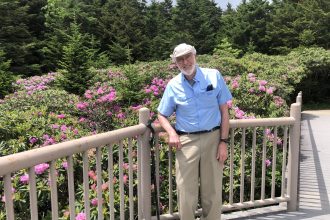






When you pick up The Rainbow Child, you’re not walking into an inspirational speech or a set of sermon notes. You’re stepping into someone’s life, messy, raw, real, and in that honesty, readers are discovering something rare: a reflection of their own doubts, fears, and quiet questions about God and purpose.
Randall Leitner didn’t grow up expecting anything unusual. A big family on a Wisconsin dairy farm, chores from sunrise, school, then more chores. Ordinary, exhausting, loud. But underneath it all, something was stirring, something he couldn’t name back then.
This book is not polished. It doesn’t serve tidy answers. It reads like someone talking to you, not preaching at you. And that’s what makes it connect.
Why This Book Feels Like a Conversation, Not a Lecture
Here’s the thing: modern spirituality books often promise big revelations, flashy insights, or dramatic transformations. The Rainbow Child does none of that. It offers small moments, tiny flashes of clarity, and lets you sit with them.
- Read a few pages and you’ll notice:
- Some paragraphs are short, blunt, almost like personal asides.
- Others are longer, reflective, messy, like thoughts you catch yourself thinking at 3 a.m.
Sometimes he writes like someone pausing to find the right word. Other times he jumps straight to the point, like someone who’s lived it, not polished it.
US Reader audiences who have wrestled with their own spiritual journey, not just questions about God, but questions about why pain exists, how faith holds up, and what purpose even means, will find this book real in a way most books aren’t.
A Story of Survival and Quiet Faith
You don’t need to believe in spirits to feel what this book is about. At its core, it’s about bearing life’s weight and still finding light.
- Randall survived things most of us only think about.
- A truck accident that should have ended badly.
- A tractor incident that should have taken him.
Yet none of those moments became dramatic turning points in the Hollywood sense. They became points where he learned to trust, not just in unseen forces, but in his own survival and resilience.
And that’s different from dramatic epiphanies. It feels like a conversation you and a stranger over coffee might have, slow, honest, unexpected.
There’s no grand climb here, no sudden revelation. There’s simply life, with all its pain and all its small comforts, and how someone learned to walk through it with presence.
The Invisible World That Feels So Visible
Some parts of the book do move beyond the physical. Spirits. Near-death experiences. Encounters that feel unexplainable.
But Randall doesn’t dress those in mystical language. He talks about them simply, matter-of-factly, like someone saying, “this happened, and it changed me.”
A scene many readers remember isn’t dramatic in a cinematic way, it’s quiet. A spirit, young, lingering. Randall helps it find peace. No angels crashing through clouds. Just resolution.
For readers who have ever felt there’s more to life than meets the eye, who’ve wondered about the spirit world without wanting it sensationalized, this grounded approach is like a breath of fresh air.
Not Just a Book for Seekers but for the Searchers
You don’t have to be spiritual to find value here. You don’t need spiritual language to appreciate what this story gives:
- People who’ve lost someone and want a gentle perspective on ongoing connection.
- Those who feel like outsiders, quietly watching life instead of living it.
- Anyone who’s asked, “God, what’s next?” in the middle of a painful moment.
- Readers who want insight, not slogans.
The book feels familiar rather than foreign. It doesn’t lecture. It offers relatability, an honest voice saying, “I don’t have all the answers, but I have these moments. Maybe they’ll help you too.”
How It Reads
There’s a real rhythm here, not a polished, perfect one. Sometimes a sentence hits you, short, direct. Other times, you’ll read a paragraph that winds, like real thought does, messy, patient, not perfectly tidy.
It’s the rhythm of real life, not of an algorithm trying to sound spiritual. Some pages are calm and slow. Others jump forward. It feels like someone talking to you, a friend rather than a textbook.
Final Thought: This Book Speaks to the Human Experience
So, what makes The Rainbow Child special for readers?
- It’s not just the spiritual angle.
- It’s not just the unusual experiences.
- It’s the honest, imperfect, lived voice behind it.
It feels human, It feels accessible and It feels like someone opened up, without gloss, without show. For anyone wondering about God, purpose, inner peace, not through slogans, but through lived life, this book is worth the read.
Preorders are available now for those ready to begin!
Fb page: https://www.facebook.com/people/Author-Randall-Leitner/61587054910292/
Tiktok: https://www.tiktok.com/@auhtorrandallleitner
Instagram: http://www.instagram.com/randall_leitner_/
Youtube: https://www.youtube.com/@RandallLeitner
Website: https://authorrandallleitner.com/