






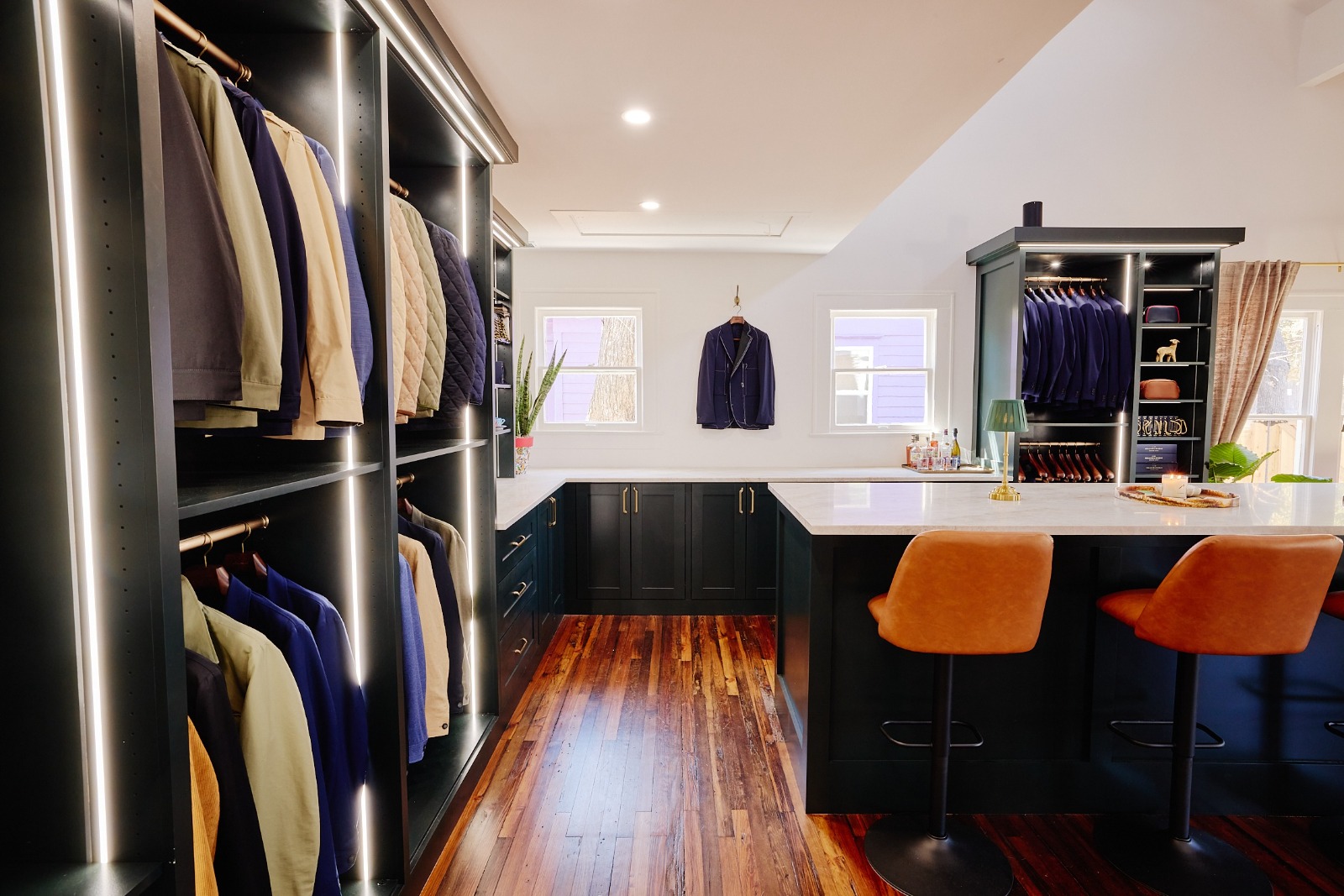
In boardrooms from New York to Los Angeles, something quietly shifted over the past year. Professionals who once swapped suits for hoodies during remote work now reach for jackets with precise lapels and trousers that fall just right. This resurgence isn’t about returning to rigid corporate uniforms. Tailored clothing has reclaimed its place because it meets genuine demands in today’s hybrid professional world. It offers superior fit, instant confidence, and a subtle signal of competence when first impressions continue to count. Market data supports the momentum. The bespoke and made-to-measure sector, valued at roughly $3.2 billion in 2024, is projected to reach $5.8 billion by 2033, expanding at a compound annual growth rate of about 6.8 percent. Professionals increasingly opt for quality over volume, and the drivers go well beyond fleeting fashion cycles.
The Post-Pandemic Return to Intentional Presence
The remote-work era softened dress codes dramatically. Comfort ruled as many logged in from home offices in casual layers. But by 2025 and into 2026, return-to-office policies grew stricter at major firms like Google, Amazon, and JP Morgan. Physical workplaces brought back the reality that appearance shapes perception. In a job market still cautious after recent layoffs, dressing with purpose became a quiet competitive edge.
It has been defined by trend observers as an “intentional recalibration.” Sharp yet wearable silhouettes are now in vogue. Working professionals are opting for soft-shouldered jackets paired with relaxed trousers that include stretch for greater flexibility. Spring 2026 runway coverage has included a considerable amount of coverage of suits, an increase from recent seasons. The classic suit has evolved but has continued to adapt itself to meet greater comfort and practicality criteria.
Even in industries that are traditionally comfortable in jeans and sneakers, more professional attire is now making an appearance. One financial professional in Chicago has just admitted that making the switch from chinos to a navy blue tailored suit has earned him more respect in business meetings. These small changes are essential in a world that is becoming more and more competitive.
Personalization as the New Standard
Ready-to-wear is rarely available in a style that suits everyone’s body type. Frustrated with constant alterations, working professionals are now opting for made-to-measure and bespoke options. Technology has now enabled this, and executives are now able to customize fabric, style, and other options without having to rely on a traditional bespoke experience each time.
This is part of a greater desire for individuality. In a world filled with fast fashion that has resulted in a homogenous look, a garment that is made specifically for each person’s measurements is a statement of intent. It is a statement of self-respect and attention to detail. Women in executive positions have been instrumental in propelling this trend, opting for structured yet feminine suits that are both professional and do not compromise on comfort during long working days.
A hybrid schedule requires a great deal of versatility. One piece, a softly tailored blazer, is now able to effortlessly move from video conference calls to business dinners. Innovations in fabric have been a welcome addition. Shepherd’s is a menswear brand that offers refined made-to-measure options and is a great example of this trend. With locations in Kansas City and Dallas, Shepherd’s offers precision in garment construction by taking extensive measurements and utilizing high-quality fabric sourced from Italy and England. Garments that are worn in boardrooms and events all over the world are a testament to this trend and its ability to meet both customization and professional criteria while offering a level of elegance that is both classic and sophisticated.
Sustainability Through Longevity
Fast fashion exposed the waste in disposable wardrobes. Items worn a few times before landfill disposal no longer satisfy environmentally conscious professionals. Tailored pieces flip the script. A well-made suit from durable wool or sustainable blends endures years of wear with minimal upkeep. Classic cuts sidestep seasonal obsolescence, and on-demand production cuts excess inventory.
Many tailors now prioritize traceable materials and eco-conscious sourcing. For frequent travelers or high-stakes presenters, garments engineered for repeated use and easy care deliver real value. The initial investment yields years of reliable service and a smaller environmental footprint.
The Confidence Factor
Well-fitted clothing shapes posture, speech, and presence. Research repeatedly shows that tailored attire enhances self-assurance and influences how others judge competence. Professionals often report feeling more authoritative in negotiations or presentations when their outfit fits flawlessly.
Details matter. A clean trouser break or jacket that drapes without strain signals care and professionalism. In surveys, respondents consistently rate custom-tailored individuals higher on traits like reliability and leadership. The benefit flows both ways: wearing something made for you reinforces personal standards daily.
Getting Started Practically
You don’t need a full wardrobe overhaul to join the trend. Begin with versatile anchors: a navy or charcoal suit, plus a neutral blazer that pairs with existing pieces. Seek tailors experienced in contemporary needs, including movement-friendly fabrics. Many offer flexible appointments, including virtual options.
Consider cost over time. A quality made-to-measure piece often proves more economical than replacing cheaper alternatives repeatedly. Look for brands that balance craftsmanship with accessibility, much like Shepherd’s focus on intentional service and exceptional fit.
Experiment gradually. Once basics feel solid, try subtle patterns or textures. Observe what resonates in your field: tech allows more relaxed tailoring than finance or law, though even conservative sectors now welcome measured personality.
The Road Forward
Tailored clothing’s comeback signals a maturing professional culture. After embracing radical comfort, many have rediscovered refinement without sacrificing ease. This shift isn’t about enforcing outdated codes. It’s about selecting garments that honor the body, mirror personal values, and support demanding careers.
As hybrid work solidifies, expect continued innovation: advanced sustainable textiles, refined digital fitting, and designs that fluidly bridge casual and formal. For ambitious professionals, tailored clothing isn’t indulgence. It’s a strategic choice. It sharpens focus, elevates presence, and helps distinguish those who settle from those who aim higher.
Next time you grab your bag for the office, glance at what’s hanging nearby. A jacket crafted to your frame could subtly shift how the day plays out. In an era still balancing flexibility and excellence, tailored clothing delivers both, sewn with intention.